
Austin anti-glare tint
Glare Reduction Window Film in Austin
Glare is the problem people notice before heat. A laptop screen that washes out at four o'clock, a TV nobody can watch until sunset, light bouncing off Lake Travis into the living room. Glare film tones that down without closing the blinds.
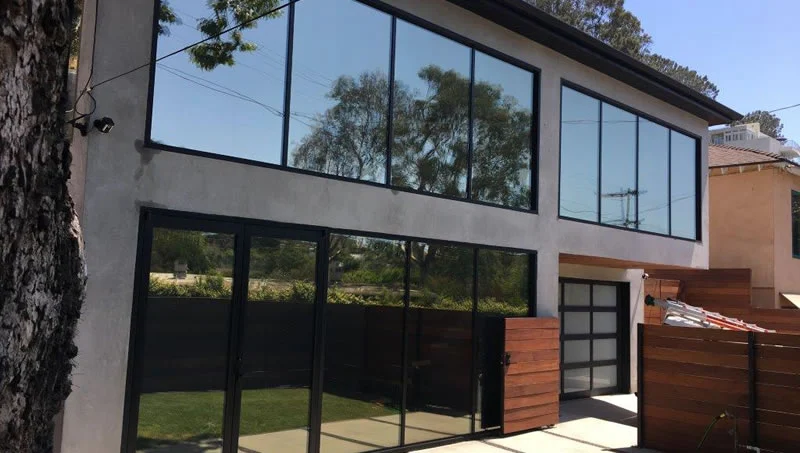 Austin
Where Glare Hits Hardest in Austin Homes
Glare comes from low sun and bright reflections. In Austin the low sun arrives every morning on east windows and every late afternoon on west ones, and because the region sees so many clear days, it is a daily problem rather than an occasional one.
Home offices get it worst. Austin has a large tech workforce, and plenty of those workers log in from a converted guest room or a desk wedged beside a living room window, with the glass right behind or beside the screen. Media rooms and open-plan living spaces with TVs on the wall are a close second. Kitchens with a window over the sink facing west catch blinding light right as dinner prep starts.
Lake and Hill Country Glare in Lakeway and Bee Cave
Homes near the water get glare from two directions: the sun itself and its reflection off the lake. Houses in Lakeway that look out over Lake Travis can have bright light bouncing up into rooms at angles that blinds and overhangs never catch. Pools and light-colored decks do the same on a smaller scale.
Higher up in the hills around Bee Cave and West Lake Hills, view walls face long distances with nothing to block the sun as it sets. Owners want to keep that view, so the goal is a film that knocks down brightness and reflection while leaving the hills and sky clear and true to color.
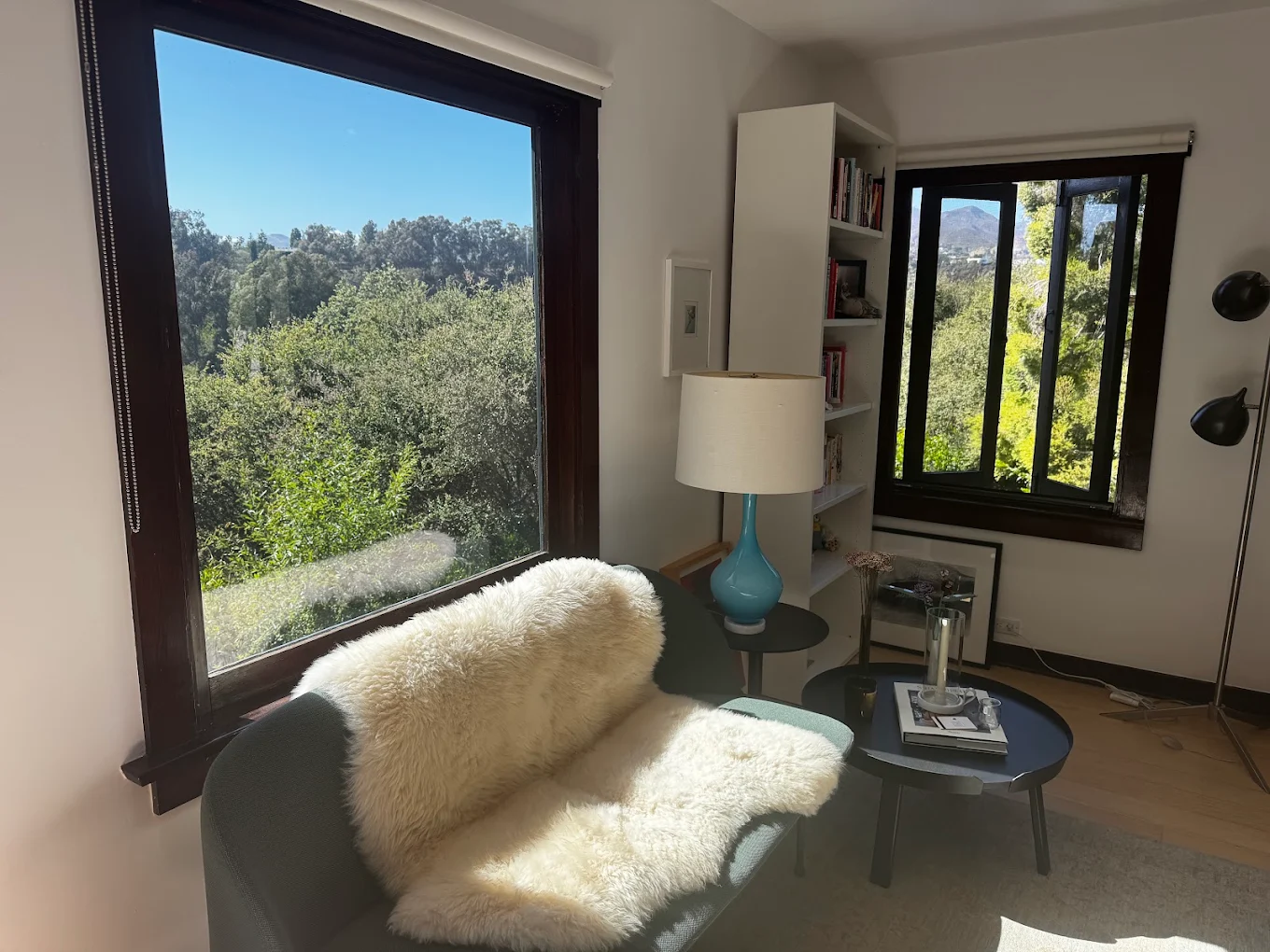
Choosing a Glare Reduction Film Shade
Glare control is measured mostly by visible light transmission, the share of daylight a film lets through. A film that passes more light keeps the room bright and cuts glare modestly. One that passes less light cuts glare more but makes the room noticeably dimmer and changes the view.
Neutral gray and lightly reflective films are the common choices. Neutral films keep colors natural, which matters in rooms with art or a view. Lightly reflective films cut glare and heat together but add a slight mirror look from outside. We hold samples up during the brightest part of the day so you can see each level in action.
- Light films for rooms that need daylight
- Medium films for home offices and media rooms
- Darker films for severe west or lake glare
- Neutral tones to keep view colors true
Glare Film for Austin Apartments and Condos
Many renters and condo owners near The Domain and downtown live with floor-to-ceiling glass and no say over the building's blinds. Interior glare film is often allowed with landlord or association approval because it does not change the look of the building much from outside, especially in neutral tones.
We provide spec sheets and samples for that approval. When a lease ends, the film can come off if the landlord asks, and we can confirm whether the building's glass is suitable before you ask.
Higher floors add a twist. Glass in a tower takes sun without any trees or neighboring roofs to break it up, and the light reflected off nearby glass buildings can arrive from unexpected directions late in the day. We look at where the brightness actually comes from before suggesting a shade, because the fix for direct west sun is not always the fix for reflected light.
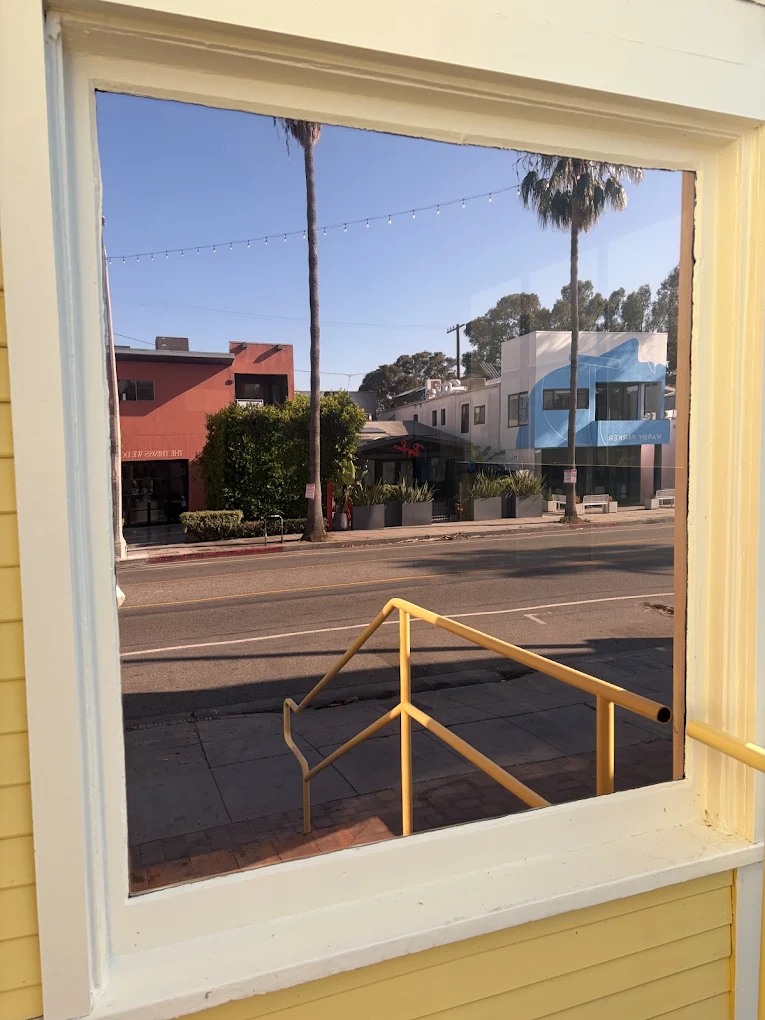
What Glare Reduction Film Changes in Austin Rooms
Readable Screens in Austin Home Offices
Lower brightness at the glass means monitors and laptops stay readable through the afternoon. People who work from home can keep their desk where it is instead of rearranging the room to avoid the sun.
Blinds Up, Glare Down With Window Film
With glare under control, blinds can stay open more of the day. You keep the daylight and the view that drew you to the house or apartment while the harsh brightness is toned down.
Less Lake Reflection in Lakeside Homes
Film reduces the bright light reflected off water and pale surfaces into lakeside rooms. That is especially helpful in homes along Lake Travis where reflected light comes in below the reach of overhangs.
Glare Film That Also Cuts Heat
Most glare films also reject some solar heat and nearly all ultraviolet light. One product reduces squinting, cools the room and slows fading on furniture near the window, all at once.
Glare Window Film Questions From Austin Residents
Will glare film make my room too dark?
Choose the shade carefully and it will not. Lighter products reduce glare noticeably while keeping rooms bright. We show several levels on your glass so you can judge the tradeoff.
Can glare film help with TV reflections?
It reduces the bright light from the window that causes reflections on the screen. Film combined with sensible TV placement usually solves the problem.
Does glare film change how my lake view looks?
Neutral films darken the view slightly but keep colors natural. Many owners find the view actually looks clearer because the glare is gone. Samples help you decide.
Is glare film allowed in my apartment?
Many landlords and associations allow interior film with approval. Neutral, low-reflectance films are the easiest to get approved. We can provide documentation.
Can glare film go on just one window?
Yes. Many people start with the window behind their desk or beside the TV. We match the film so the treated window looks consistent with the rest.
Glare Reduction Window Film Service Areas in Austin
Window film quote
Glare Reduction Window Film Estimates in Austin
Describe when the glare is worst and what it hits, such as a desk, a TV or a kitchen counter, and include window sizes and photos. Our first reply will compare a couple of film shades and quote each.
Prefer email? info@windowfilmaustin.pro