
Austin low-e glass upgrade
Low-E Window Film for Austin Buildings
Plenty of Austin buildings still have single-pane or early insulated glass that leaks heat in both directions. A low-E window film gives that glass a low-emissivity layer, cutting summer solar heat and holding indoor warmth when a cold front comes through.
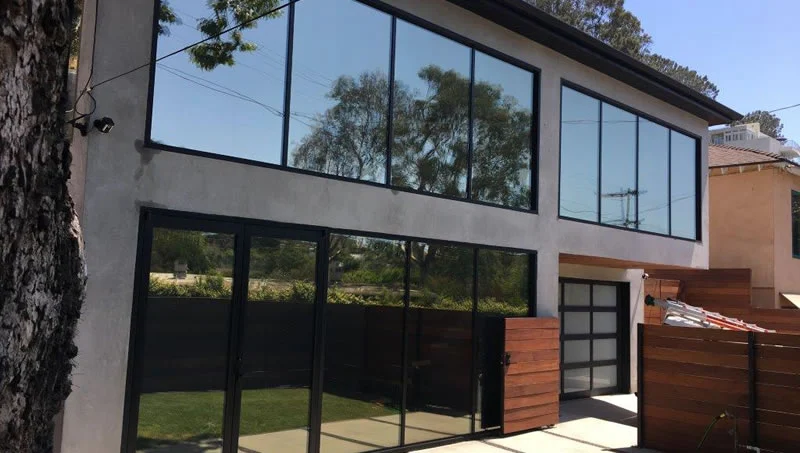 Austin
What Low-E Window Film Does on Austin Glass
Low-emissivity, or low-E, describes a coating that reflects long-wave heat rather than absorbing and radiating it. Modern windows often have a low-E coating applied at the factory. Older buildings in Austin, from 1970s and 1980s office buildings to mid-century schools and older retail strips, often do not. Low-E film adds that property to existing glass from the inside.
In summer, low-E film rejects a portion of the solar heat that would otherwise enter. In winter, the same coating bounces indoor warmth back toward the room so less of it leaks out through the pane. That two-way effect is why it differs from a standard solar control film, which is tuned mostly for summer heat.
Low-E Film and Austin Winter Cold Snaps
Austin winters are mostly mild, but hard freezes do happen. Winter Storm Uri in February 2021 and the ice storm two years later cut power across the area, in some buildings for days. In a building with single-pane glass, indoor temperatures fall quickly once the heat stops, and the glass itself becomes a cold surface that people feel from across the room.
Low-E film does not make a building storm-proof, and it will not keep a space warm without heat for long. What it does is slow the rate of heat loss through the glass, so a building holds its temperature a bit longer during an outage and is more comfortable on ordinary cold days. For facilities that had to keep staff on site through those storms, that difference matters.
Low-E Window Film for Older Austin Offices and Schools
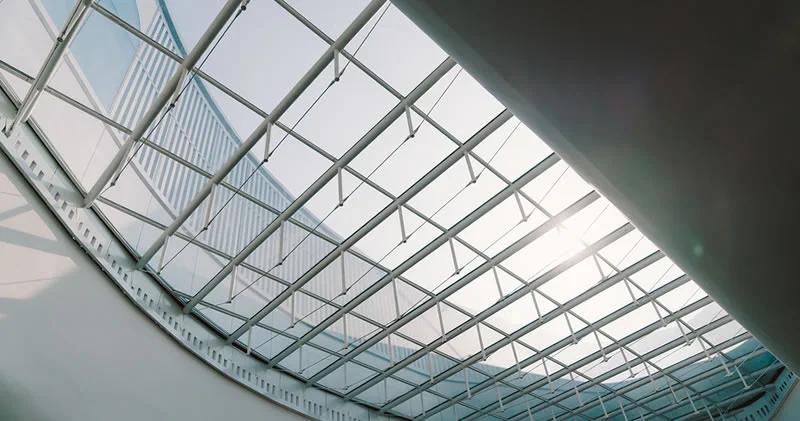
Office buildings along Lamar, older suburban office parks in Round Rock and Cedar Park, and schools built before current energy codes often have large areas of single-pane glass. Replacing those windows is expensive and disruptive, especially in occupied buildings, and it may run into budget cycles that stretch years out. Low-E film is a retrofit that goes on in days without removing any glass.
We check each building for frame condition and glass type before recommending low-E film. If the glass is already low-E coated, adding a low-E film may not help much, and we will say so. If the glass is single pane or older insulated glass without a coating, low-E film is usually one of the better-value improvements available for the windows.
- Single-pane and early insulated glass
- Office buildings and suburban office parks
- Schools, libraries and municipal buildings
- Older retail and medical buildings
Low-E Film, ECAD Reporting and Austin Energy
The city's ECAD ordinance has owners of larger commercial properties served by Austin Energy report their energy use every year. Buildings with old glass often show high heating and cooling use compared with similar buildings, and window upgrades are a common recommendation in energy audits.
Low-E film can be part of that plan as a lower-cost step than window replacement. It does not earn a rating on its own, but it reduces energy loss through glass in both seasons. We provide the film's performance data for your consultant to model and can schedule installs to line up with audit findings or capital plans. Buildings in Georgetown and other areas outside Austin Energy territory get the same data for their own planning.
Installing Low-E Window Film in Occupied Austin Buildings
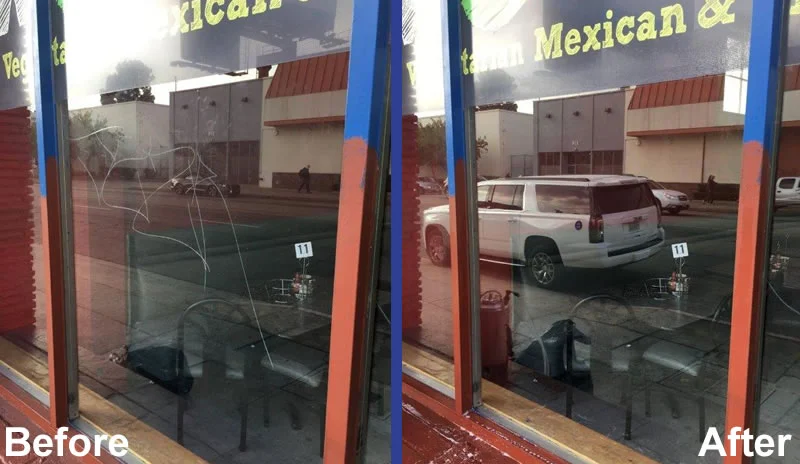
Low-E film installs like other interior films. We clean the glass, cut film to fit and apply it from inside, working room by room. In offices, we schedule after hours. In schools, summer break is ideal. Each room is back in use as soon as we finish, though the glass should not be cleaned during the cure period.
Low-E films have a slightly different look than plain glass, often a faint tint or reflectivity. We show samples on the actual windows so owners and building committees can approve the look before the project starts, and we check that the chosen film is compatible with the glass it will be applied to.
Low-E Window Film Benefits for Austin Commercial Buildings
Summer Heat Rejection on Older Austin Glass
Low-E film cuts the solar heat coming through single-pane and older insulated glass, which helps perimeter rooms stay comfortable through long Central Texas summers and trims the cooling load on equipment that may already be near the end of its life.
Better Heat Retention on Cold Austin Days
By reflecting indoor heat back into the room, low-E film reduces heat loss through glass during cold snaps. Rooms near the windows feel less drafty, and the building holds temperature somewhat longer if the power goes out.
Low-E Retrofit Without Window Replacement
Low-E film adds a coating to existing glass in days, without removing windows or disrupting occupants. Owners get much of the benefit of upgraded glass at far lower cost and on a much shorter schedule than a replacement project.
Documented Step for Energy Planning
Film performance data can be used in audits and energy models, giving owners a documented efficiency step to include alongside lighting, controls and HVAC work as they plan for benchmarking reports and capital budgets.
Low-E Window Film FAQs for Austin Buildings
What is the difference between low-E film and regular solar film?
Regular solar film mainly rejects incoming solar heat. Low-E film does that and also reflects indoor heat back into the room, so it helps in both summer and winter.
Is low-E film worth it if my building already has low-E glass?
Often not. Adding low-E film to glass that already has a low-E coating gives smaller gains. We check the glass first and will tell you if another film makes more sense.
Will low-E film help during a winter power outage?
It slows heat loss through the glass, so rooms cool down more slowly. It is not a substitute for heat, but it can make an outage like the 2021 storm a little more bearable.
Does low-E film change how the windows look?
Many low-E films have a light tint or slight reflectivity. We show samples on your glass so you can approve the look before installation.
Does low-E film work on old single-pane windows?
It does, and single-pane glass is usually where it pays off most. We check frame condition and glass type to confirm the film is a good match.
Window film quote
Request a Low-E Window Film Quote in Austin
Start with what kind of building it is, roughly how old the windows are and whether the glass is single or double pane, and include photos. Everything fits in the quote form, and a message to info@windowfilmaustin.pro also works. We will tell you honestly whether low-E film fits.
Prefer email? info@windowfilmaustin.pro