
Austin residential tint
Home Window Tinting in Austin, Texas
Austin houses rarely need the same film on every pane. A good home window tinting plan starts with the glass that faces the late sun, the rooms you stop using in August, and the windows that put you on display to the street.
 Austin
 Home Window Tinting Starts With Which Way the Glass Faces
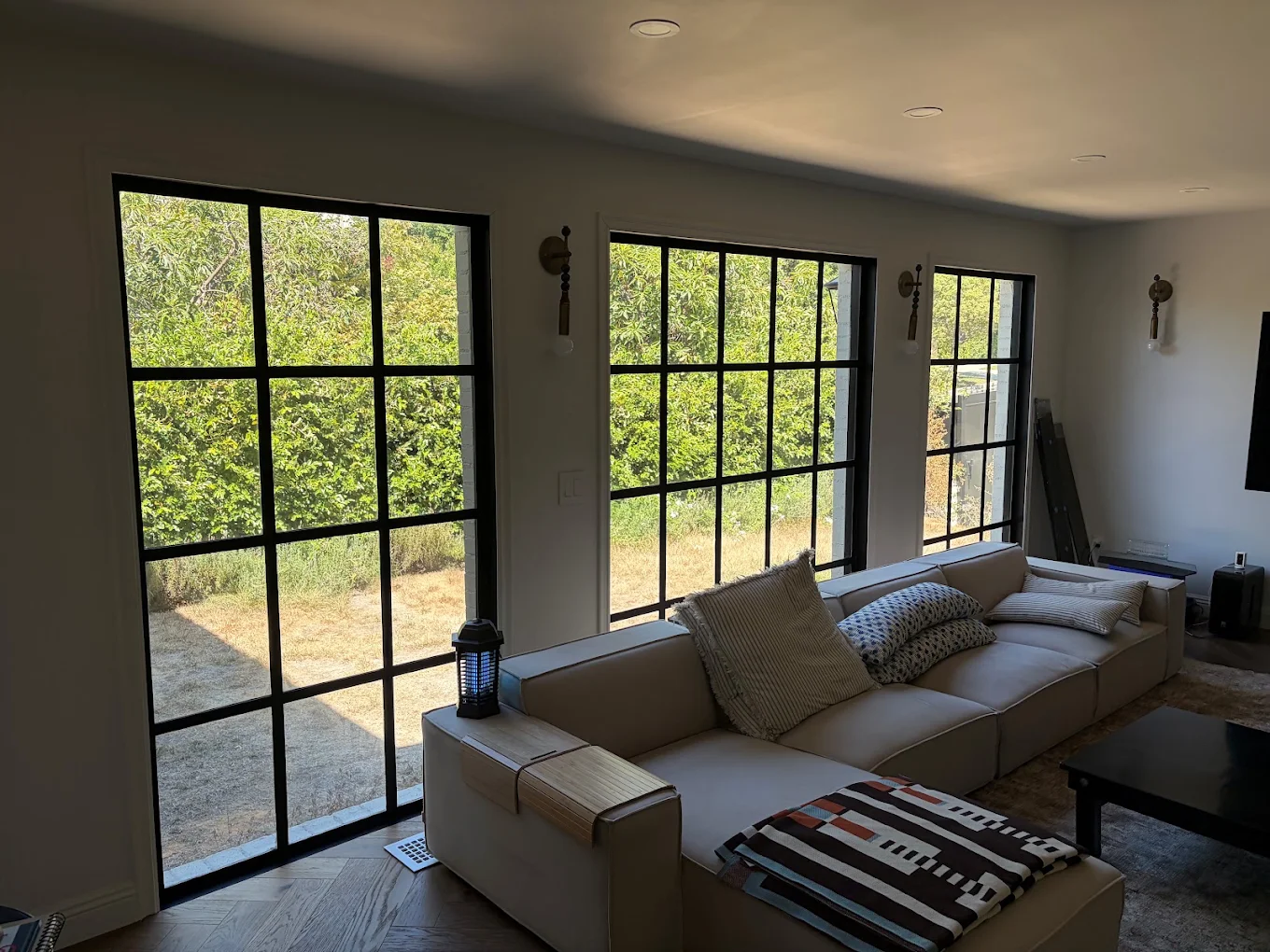
Before talking about products, we sketch the house side by side. West glass gets the hardest treatment because Austin afternoons stay bright and hot until well after dinner for most of the year. East glass comes second, since bedrooms on that side heat up early and blinds go down before breakfast. North windows usually need little or nothing, and south windows under a decent roof overhang often do fine with a light, near-clear film.
That approach keeps the job sensible. You spend money where the heat and glare actually come from, and the rooms that already feel comfortable keep their full daylight. It also means the strongest film can go on a single sunroom or a stair window without making the rest of the house look different from the curb.
Window Tinting for Austin Bungalows, Ranch Houses and New Builds
The housing mix around Austin changes what we can put on the glass. Older cottages in Hyde Park and Travis Heights often keep single-pane wood sashes, which take most films well and benefit the most. Mid-century ranch houses in Allandale and Crestview tend to have long aluminum sliders and picture windows facing the backyard, and those big panes are where heat control earns its keep.
Newer homes are a different story. Two-story tract houses in Leander, Pflugerville and Kyle almost always come with dual-pane, low-E glass from the builder. Because that glass is already doing part of the job, any film added on top must be matched to it, and certain combinations are off the table. Hillside houses in West Lake Hills and Lakeway add tall view walls where clarity matters more than anything.
Condos in the downtown towers bring their own rules. The association usually controls what can be seen from outside, so near-neutral films are the norm there and we send the spec sheet for approval first.
Choosing Film Types for an Austin Home Window Tinting Project
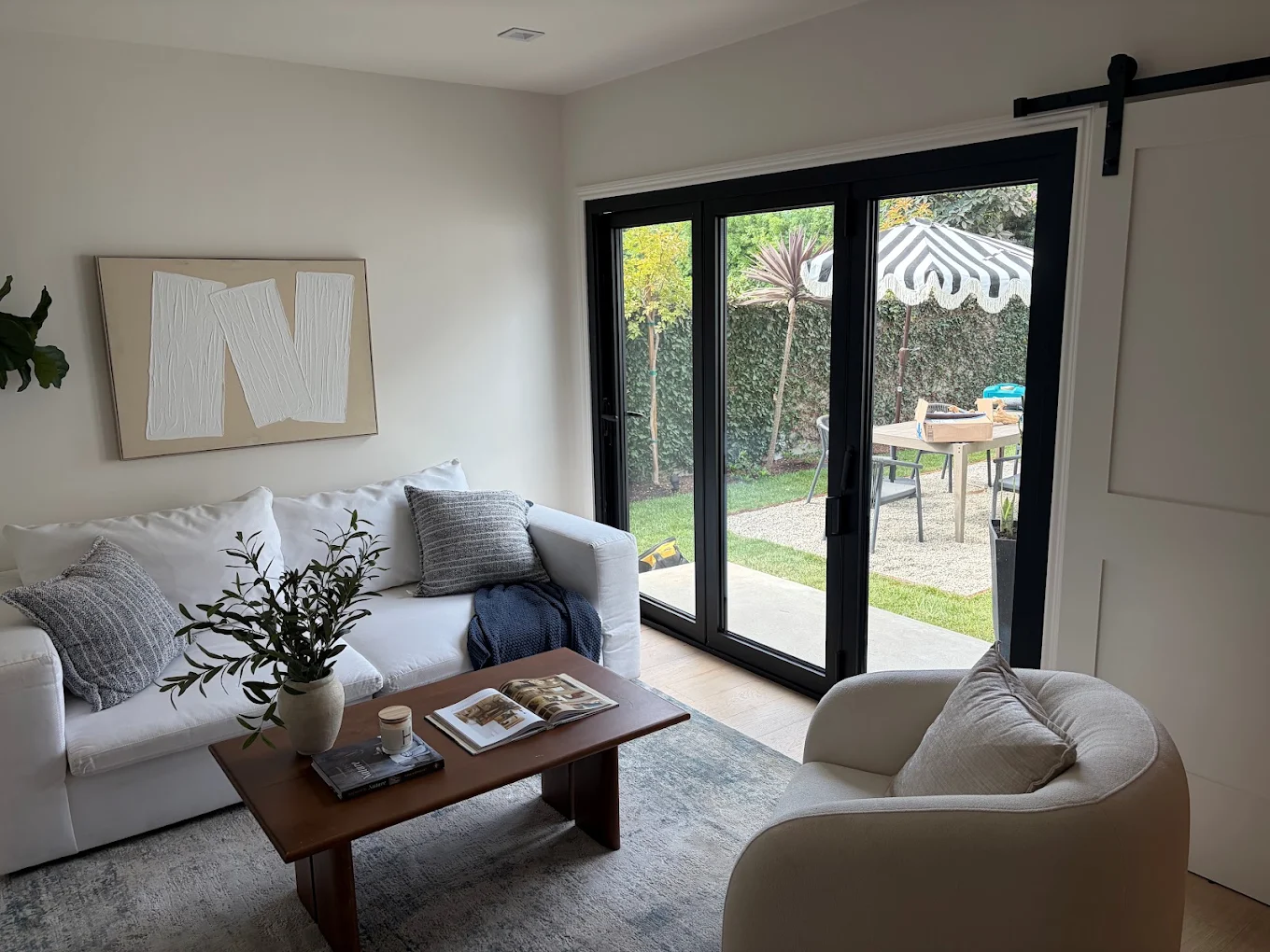
Most whole-house jobs mix two or three products. A spectrally selective film handles the hot elevations while staying close to clear. A frosted or gradient film covers bathrooms and street-facing glass where privacy is the goal. A thicker safety film goes on back doors and sidelights if break-ins are a worry. Clear UV film can go everywhere else to protect floors and furniture without changing the look of the glass.
We bring samples and stick them to your actual windows, ideally at the hour when the problem is worst. A film that looks fine at ten in the morning can look very different at five in the afternoon with the sun hitting it directly. Seeing it in place is the fastest way to decide how dark or reflective you are willing to go.
- Spectrally selective film for west and east rooms
- Frosted or gradient film for bathrooms and street-side glass
- Safety film for patio doors and sidelights
- Clear UV film to slow fading elsewhere
HOA Rules and Historic Districts for Austin Home Window Tint
Master-planned neighborhoods across the metro have architectural review rules, and a mirror finish visible from the street is the thing most likely to get a letter. Low-reflectance films avoid that problem in almost every case. If your HOA wants to review it first, we provide the product data sheet and a sample swatch to include with your request.
Inside the city, houses in local historic districts such as Hyde Park fall under review for exterior changes. Film applied to the inside of existing glass generally does not alter the window itself, but it is still worth a quick check with the city's historic preservation office if you live in one of those districts. We are happy to supply product information for that conversation.
What Home Window Tinting Installation Looks Like in Austin
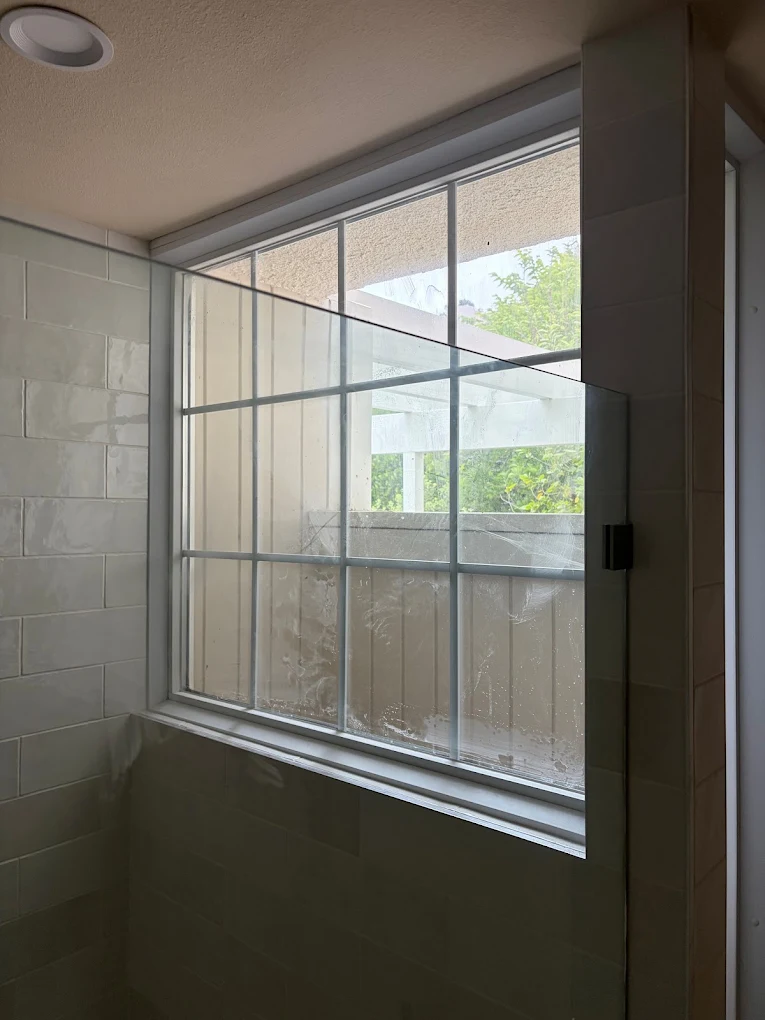
Expect one working day for most houses. The crew puts down drop cloths, move what sits on the sills, clean each pane, then cut and apply the film with a slip solution and squeegee. Edges are trimmed just inside the frame so the film does not lift. Nothing gets drilled, and the windows open and close the same way afterward.
Film needs time to dry after it goes on. Small water pockets or a light haze are normal for the first days and fade as the moisture escapes, which tends to happen quickly in a hot Austin summer and a little slower in a damp January. Wait until it has cured before washing the inside of the glass, and then use a soft cloth and an ammonia-free cleaner.
Results of Home Window Tinting in Austin Neighborhoods
Heat Relief for Sunset-Side Rooms in Austin
Film on the glass catching the afternoon sun keeps bedrooms, dens and upstairs game rooms from turning into the hottest part of the house. The thermostat stops chasing a single room while the rest of the house sits comfortable.
UV Protection for Floors and Furniture
Most residential films block nearly all ultraviolet light. That slows the bleaching of hardwood, rugs, upholstery and framed art near sunny windows, which is a real concern in houses with big glass and few shade trees.
Daytime Privacy on Close Austin Lots
Frosted, gradient and reflective films stop neighbors and passersby from seeing into bathrooms and street-facing rooms during the day, while still letting light through. That matters more as Austin lots get split and homes go up closer together.
Safer Glass on Doors and Sidelights
Safety film bonds to the glass so a broken pane holds together instead of falling into the room. On back doors and sidelights it also makes a quick smash-and-reach entry slower and noisier for anyone trying.
Austin Home Window Tinting FAQs
How much does home window tinting cost in Austin?
Price depends on the film you choose, total square footage, the number of separate panes and how easy the glass is to reach. A house with many small divided lites takes longer than one with a few large sliders, and second-floor glass may need ladders. Send sizes and photos for a written number.
Will tinting my windows make the house dark?
Not if you pick the right film. Spectrally selective products turn away a good share of solar heat and still look nearly clear. Darker films cut more glare but also more daylight, so we usually save them for the rooms that need them most.
Can film go on dual-pane, low-E builder windows?
Often yes, with the right product. We check the glass type and compare it against the film maker's compatibility guidance before recommending anything. Some combinations can raise the risk of thermal stress, and those we avoid.
Does window tint void my window warranty?
Some window manufacturers limit coverage once aftermarket film is applied, especially on insulated glass. Many film makers offer their own glass coverage when the film is installed to their guidelines. We go over both before you commit.
What lifespan should I expect from tint on an Austin house?
Interior film on house glass tends to hold up for many years; the exact coverage term comes from the film maker's warranty paperwork. Sun exposure on west glass is the hardest test. Gentle cleaning without ammonia or abrasive pads helps it age well.
Window film quote
Home Window Tinting Quotes Across Austin
Name the rooms that overheat, throw glare on screens or feel too visible, and include rough window sizes with a few photos. The quote form handles most requests, and bigger photo sets can be emailed to info@windowfilmaustin.pro instead.
Prefer email? info@windowfilmaustin.pro